团队论文发表于 SSCI 一区期刊 Mindfulness
团队论文 “Designing for Mindfulness: Investigating College Students' Preferences and Acceptance of Virtual Reality-Based Digital Mindfulness Tools” 在 SSCI 一区期刊 Mindfulness 上成功发表,博士生李原林夕为第一作者。
哈尔滨工业大学 · 未来设计学院(深圳)
About
我们研究人如何感知、理解、信任并使用智能系统,面向智慧学习、数字健康、适老交互与未来出行等场景,探索以人为本的交互机制与体验设计。
团队论文 “Designing for Mindfulness: Investigating College Students' Preferences and Acceptance of Virtual Reality-Based Digital Mindfulness Tools” 在 SSCI 一区期刊 Mindfulness 上成功发表,博士生李原林夕为第一作者。
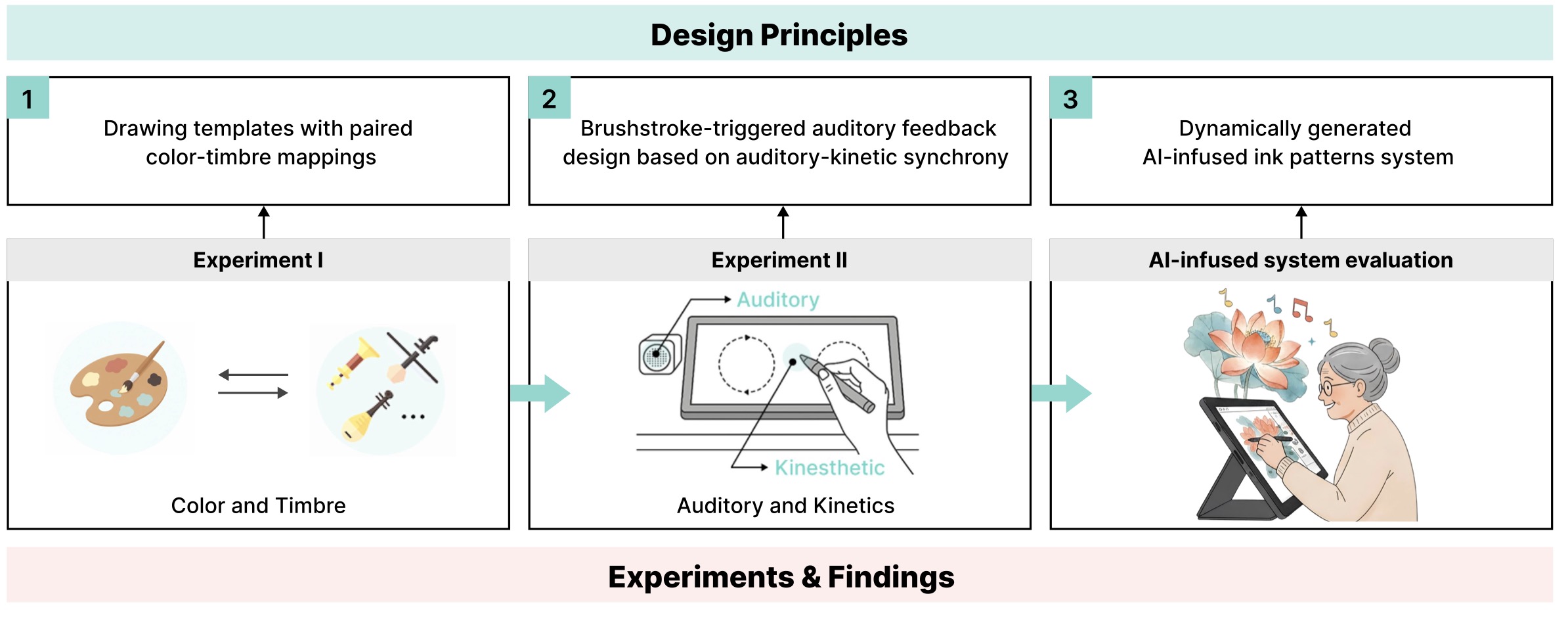
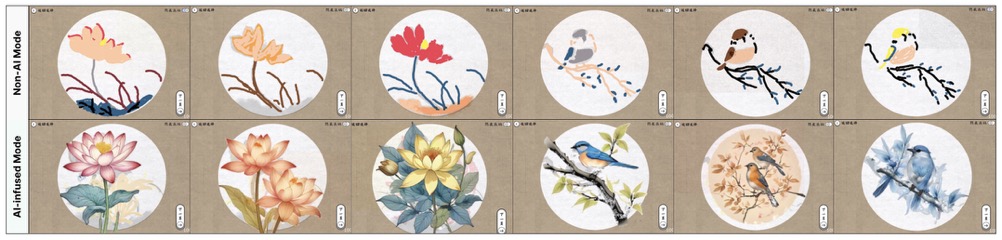
团队论文 “Harmonizing the Senses: Designing a Cross-Modal Interactive Art System to Enhance Older Adults' Affective Experiences” 在 CHI 2026 成功发表,并于西班牙巴塞罗那作主题演讲。已毕业硕士生安思翰为第一作者。
团队论文 “Creative Pathways: Understanding the Acceptance of Technology for Digital Arts-Based Activities Among Older Chinese Adults with Mild Cognitive Impairment” 被 SCI/SSCI 一区期刊 International Journal of Human-Computer Interaction 录用,已毕业硕士生安思翰为第一作者。
关注交互系统在真实使用情境中的可用性、体验质量与评估方法。
研究人们如何理解、信任、协作和反思智能系统。
构建和评估用于协作、配置、决策与共享体验的 MR/VR 原型。
探索设计能力培养、共创框架、课程设计与设计研究方法。
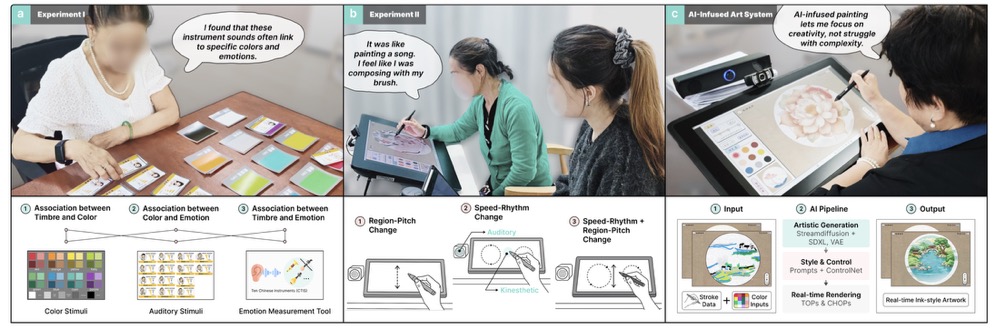
This research line explores how older adults perceive, adopt, and interact with digital and intelligent technologies. We investigate mobile interaction behavior, navigation challenges, smart healthcare experiences, home healthcare robots, digital art therapy, and embodied exergame interaction. Through user studies, behavioral experiments, and interface evaluation, we aim to develop age-friendly and inclusive interaction principles that support usability, trust, engagement, and meaningful technology use in later life.
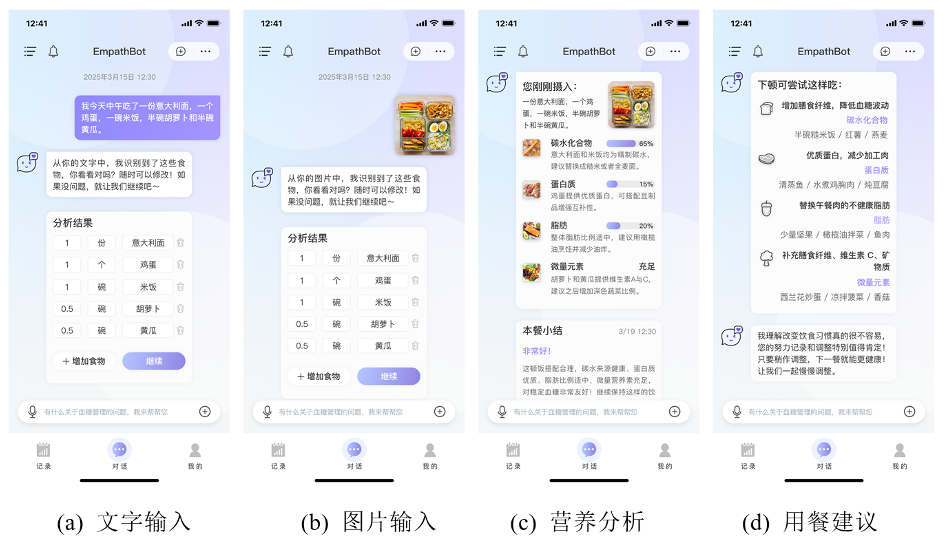
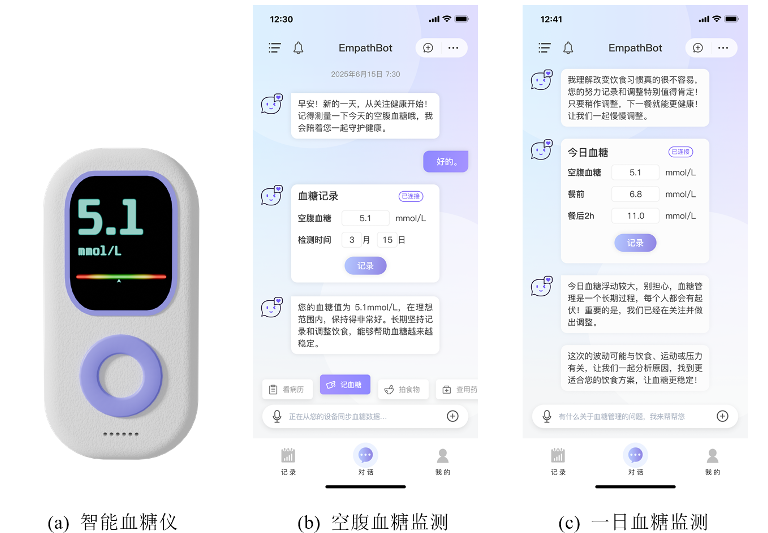
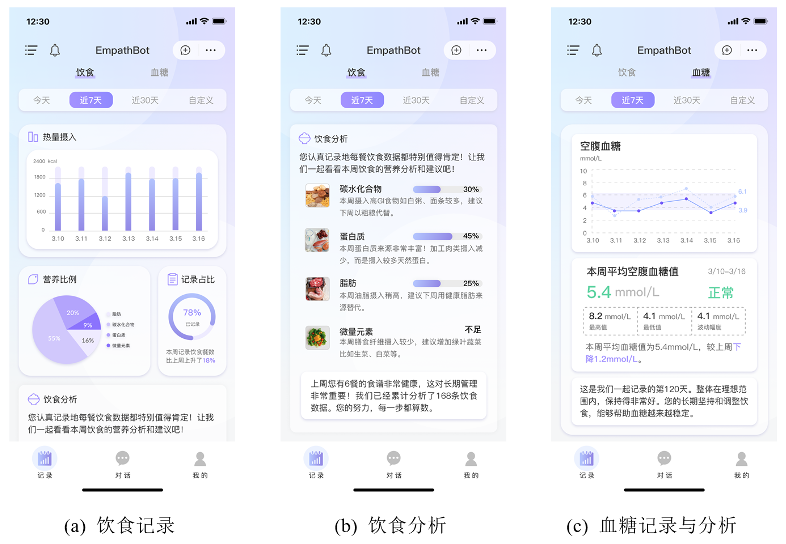
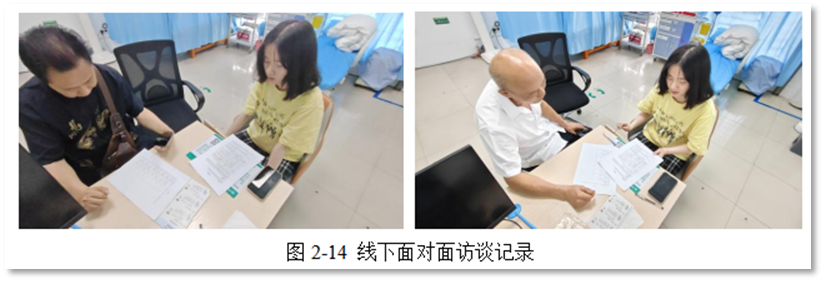
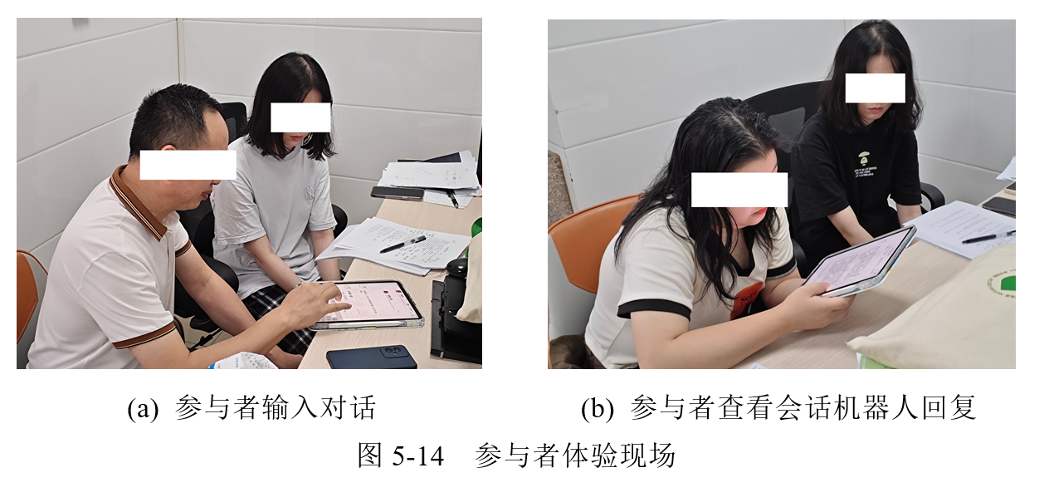
This project examines how trust, empathy, social cues, and communication styles shape users' acceptance of digital health services and intelligent care systems. Our studies cover mobile medical consultations, healthcare conversational agents, diabetes self-management chatbots, and chronic disease support systems. By combining surveys, experiments, interviews, and large-scale online data analysis, we seek to understand how AI-mediated health technologies can provide more trustworthy, empathetic, and supportive care experiences.
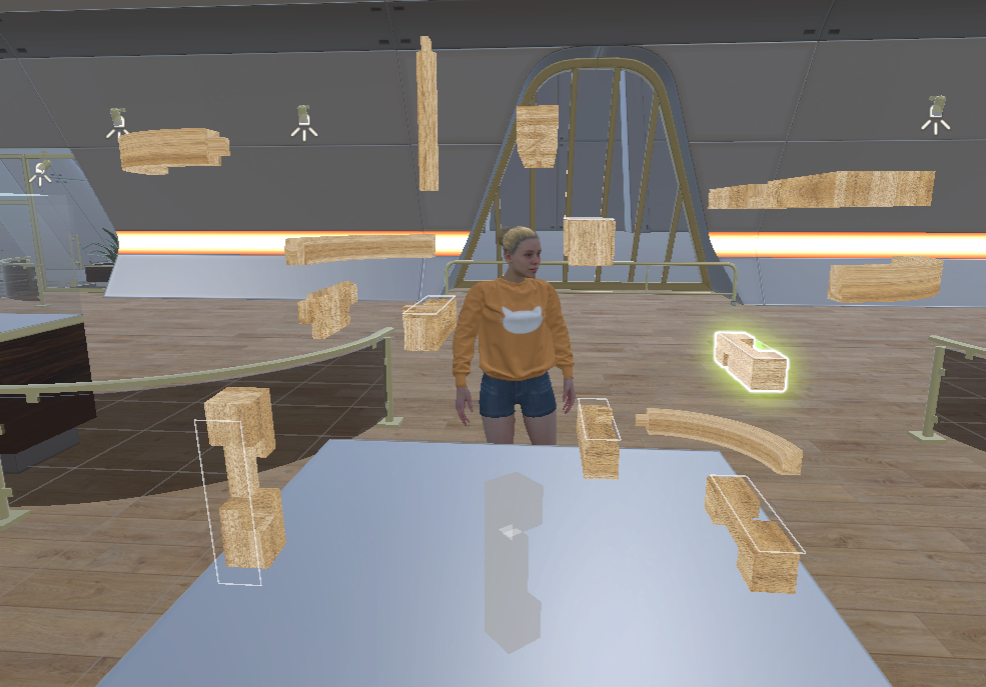
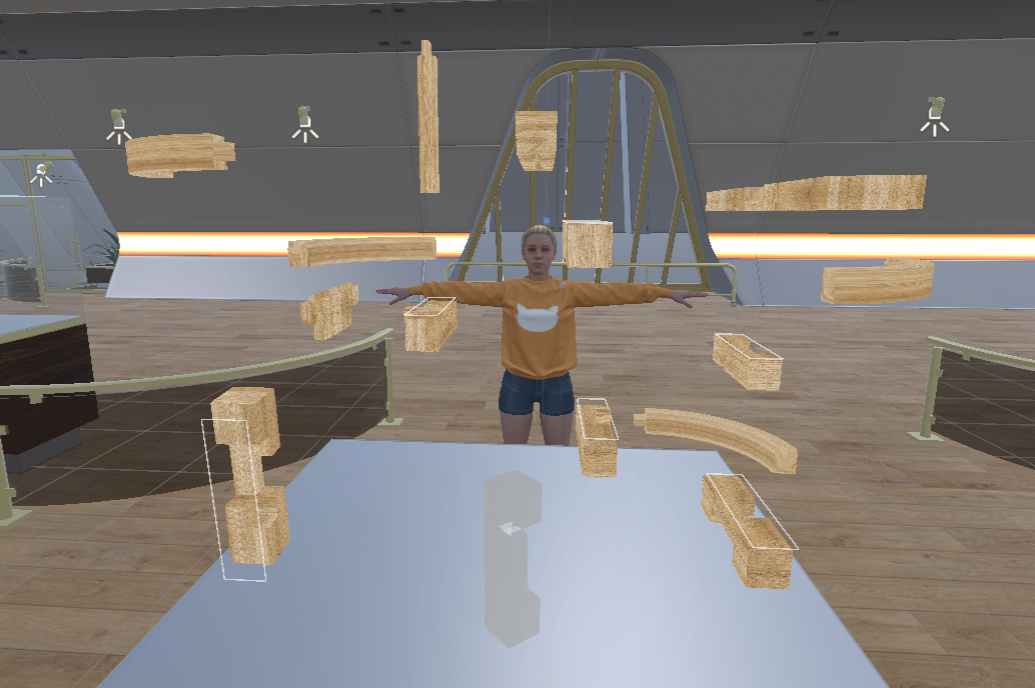
This research investigates how students learn across digital, physical, and multi-device environments. We study cross-device learning behavior, cognitive load in pen-based mobile learning, intelligent advisory systems, ambient learning displays, online collaborative design, and VR-supported design education. Using field studies, behavioral experiments, eye tracking, handwriting data, gesture data, and multimodal learning analytics, we aim to design learning technologies that better support attention, collaboration, reflection, and meaningful learning.
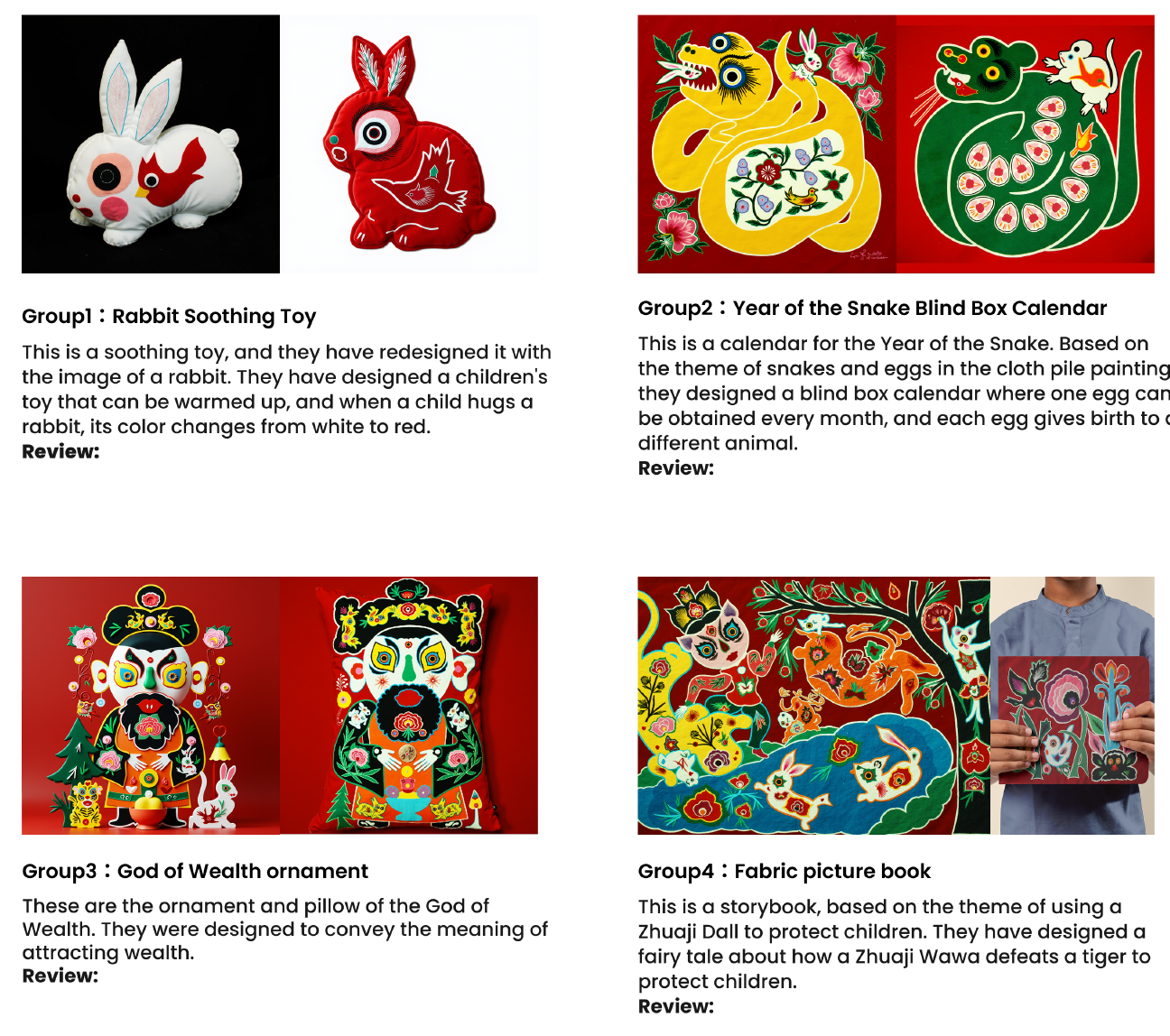
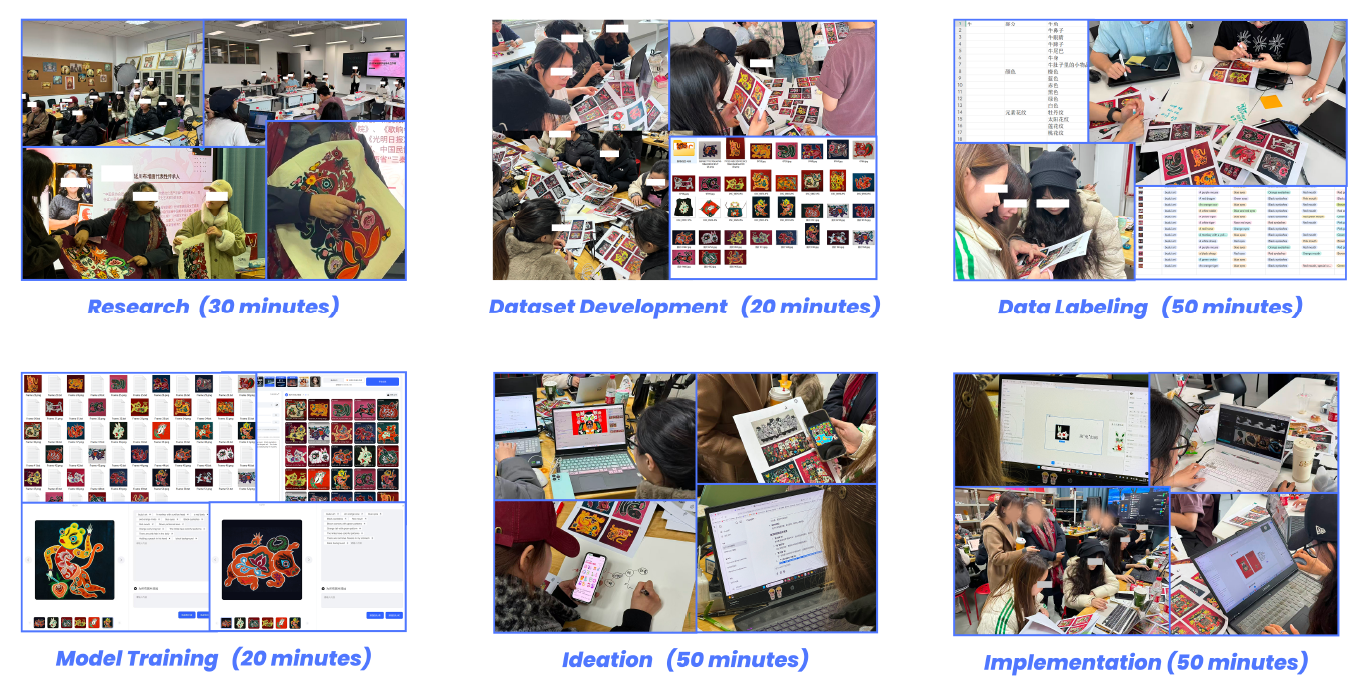
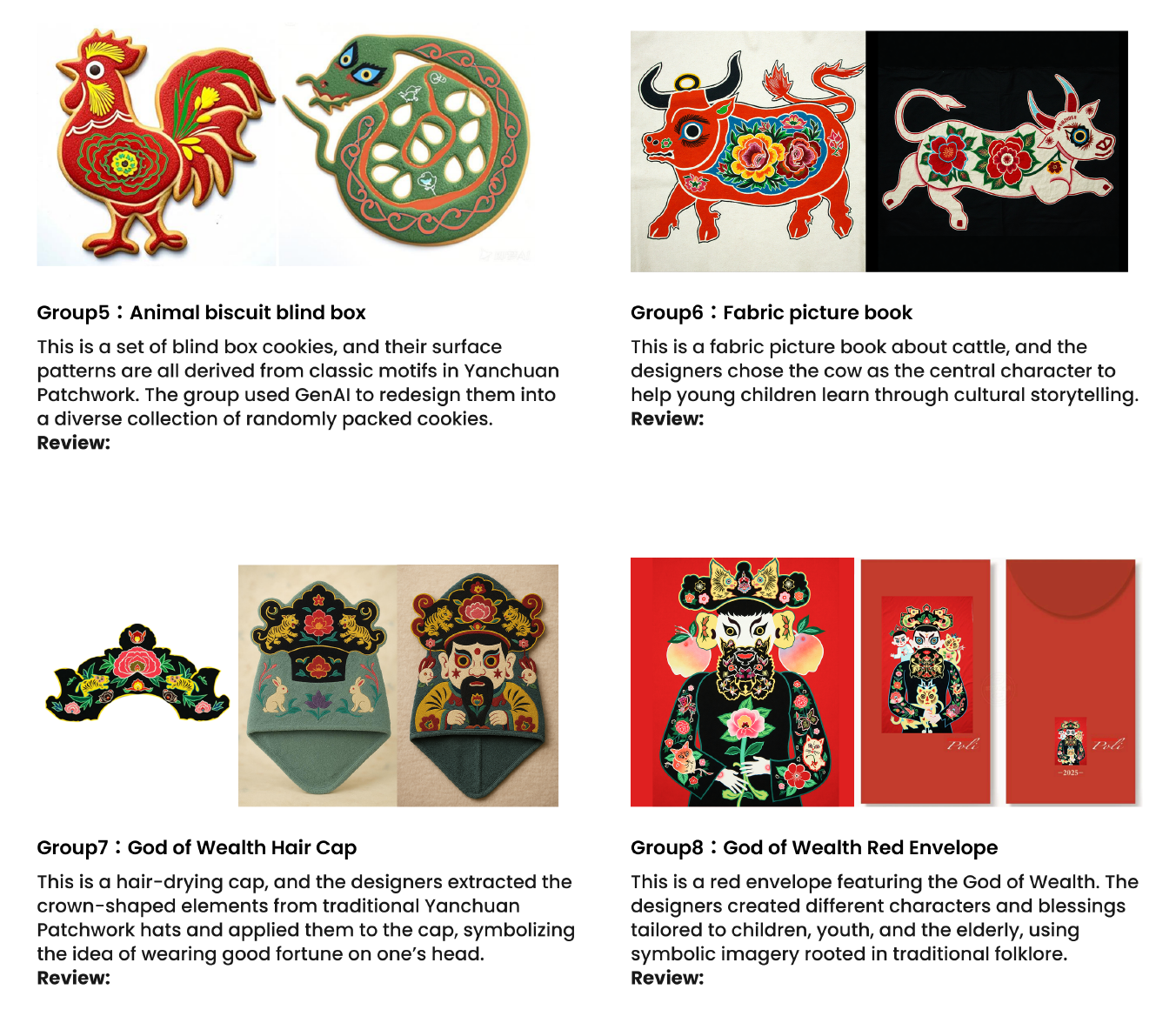
This project focuses on how embodied interaction, affective experience, multisensory feedback, and human-AI collaboration shape emerging forms of interaction and creativity. Our work includes embodied metaphors and multimodal feedback in exergames, cross-modal interactive art, affective robots, VR-based mindfulness tools, AI-assisted cultural heritage workflows, and generative AI for speculative design. We aim to explore how intelligent and immersive technologies can support emotional engagement, creative expression, cultural meaning-making, and human-centered experience design.
Journal of Medical Internet Research · 2023 · 88 citations
International Journal of Design · 2018 · 91 citations
Computers in Human Behavior · 2022 · 83 citations
International Journal of Environmental Research and Public Health · 2020 · 66 citations
British Journal of Educational Technology · 2024 · 25 citations
Computers & Education · 2025 · 4 citations
Computers in Human Behavior · 2024 · 12 citations
CHI Conference on Human Factors in Computing Systems · 2026 · 1 citation
Mindfulness · 2026
International Journal of Human-Computer Interaction · 2026
Principal Investigator · Future Design School, Harbin Institute of Technology, Shenzhen
欢迎对人机交互、智能系统、用户体验、混合现实与设计研究感兴趣的学生和研究者联系。