aging
inclusive-hci
Age-Friendly and Inclusive Interaction
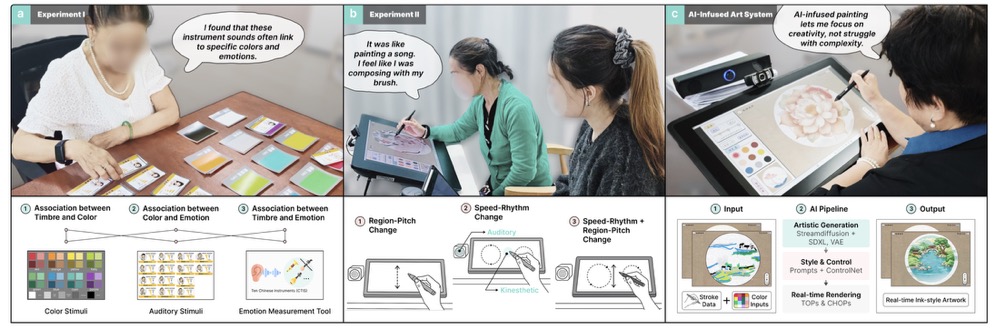
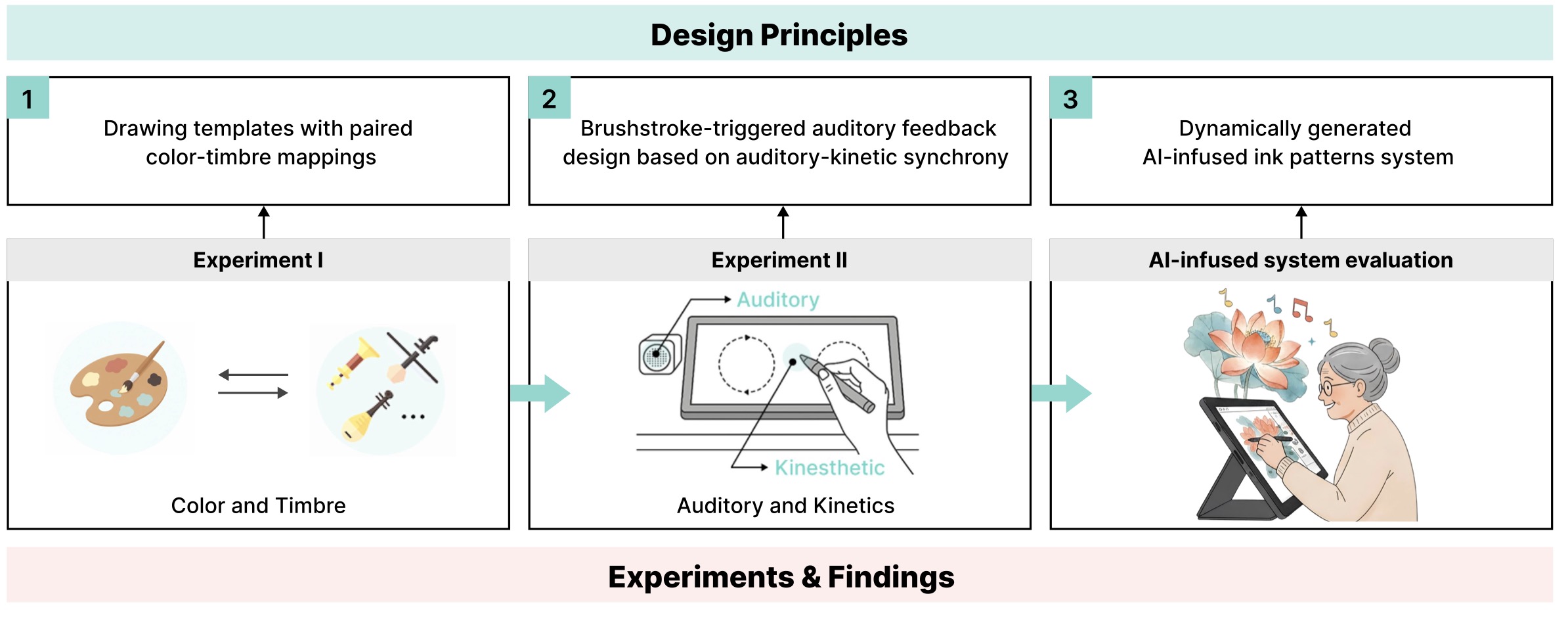
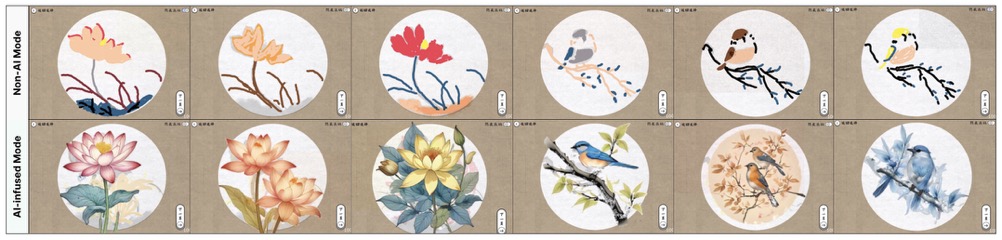
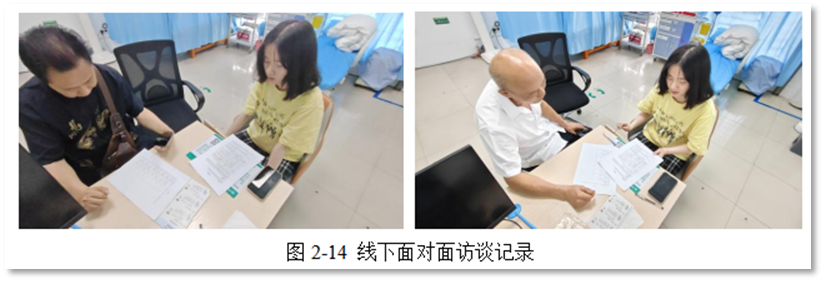
This research line explores how older adults perceive, adopt, and interact with digital and intelligent technologies. We investigate mobile interaction behavior, navigation challenges, smart healthcare experiences, home healthcare robots, digital art therapy, and embodied exergame interaction. Through user studies, behavioral experiments, and interface evaluation, we aim to develop age-friendly and inclusive interaction principles that support usability, trust, engagement, and meaningful technology use in later life.
digital-health
trustworthy-ai
Digital Health, Trust, and Empathetic AI
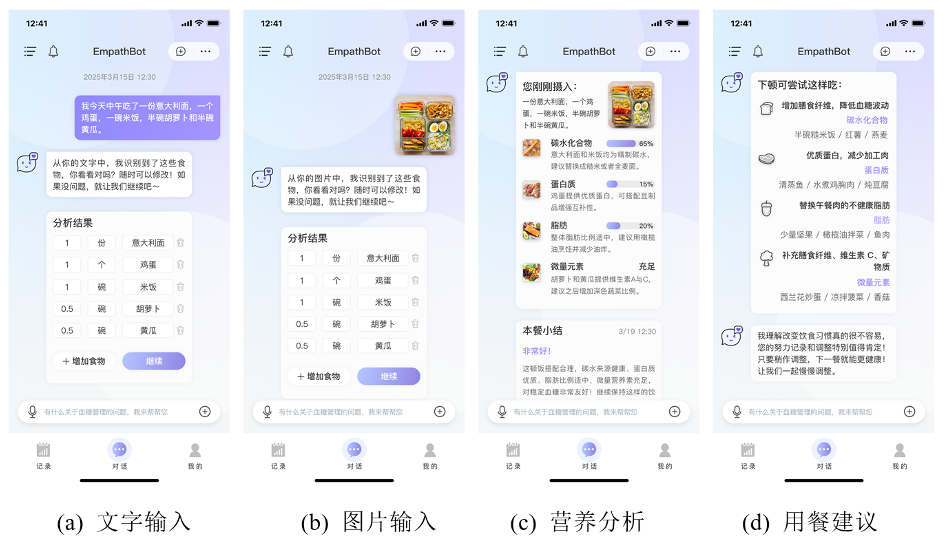
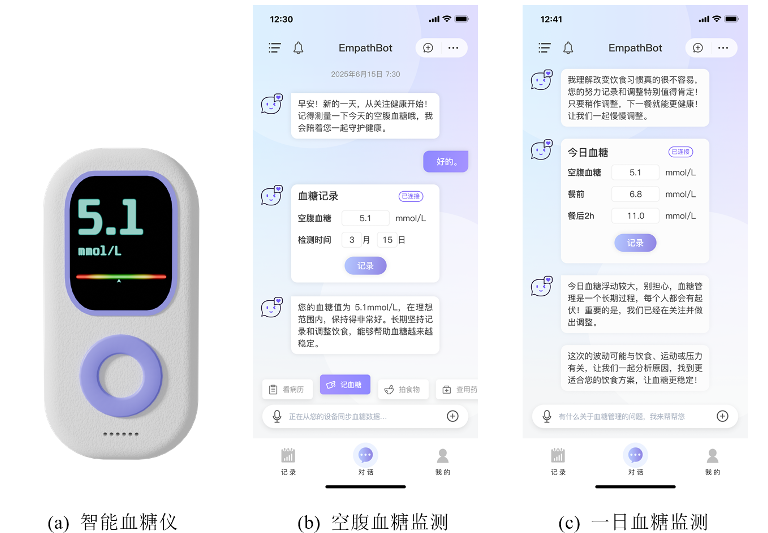
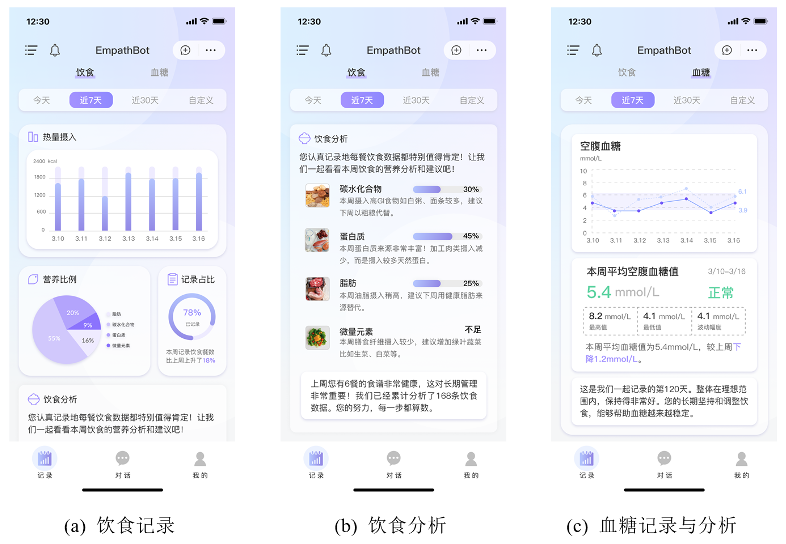
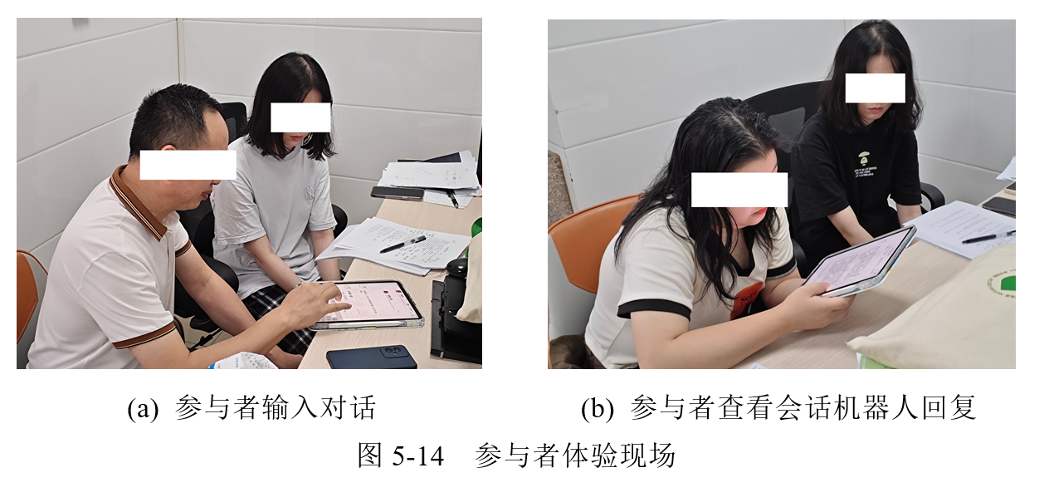
This project examines how trust, empathy, social cues, and communication styles shape users' acceptance of digital health services and intelligent care systems. Our studies cover mobile medical consultations, healthcare conversational agents, diabetes self-management chatbots, and chronic disease support systems. By combining surveys, experiments, interviews, and large-scale online data analysis, we seek to understand how AI-mediated health technologies can provide more trustworthy, empathetic, and supportive care experiences.
learning-analytics
multimodal-data
Intelligent Learning Environments and Multimodal Analytics
This research investigates how students learn across digital, physical, and multi-device environments. We study cross-device learning behavior, cognitive load in pen-based mobile learning, intelligent advisory systems, ambient learning displays, online collaborative design, and VR-supported design education. Using field studies, behavioral experiments, eye tracking, handwriting data, gesture data, and multimodal learning analytics, we aim to design learning technologies that better support attention, collaboration, reflection, and meaningful learning.
embodied-interaction
human-ai-creativity
Embodied, Affective, and Human-AI Creative Interaction
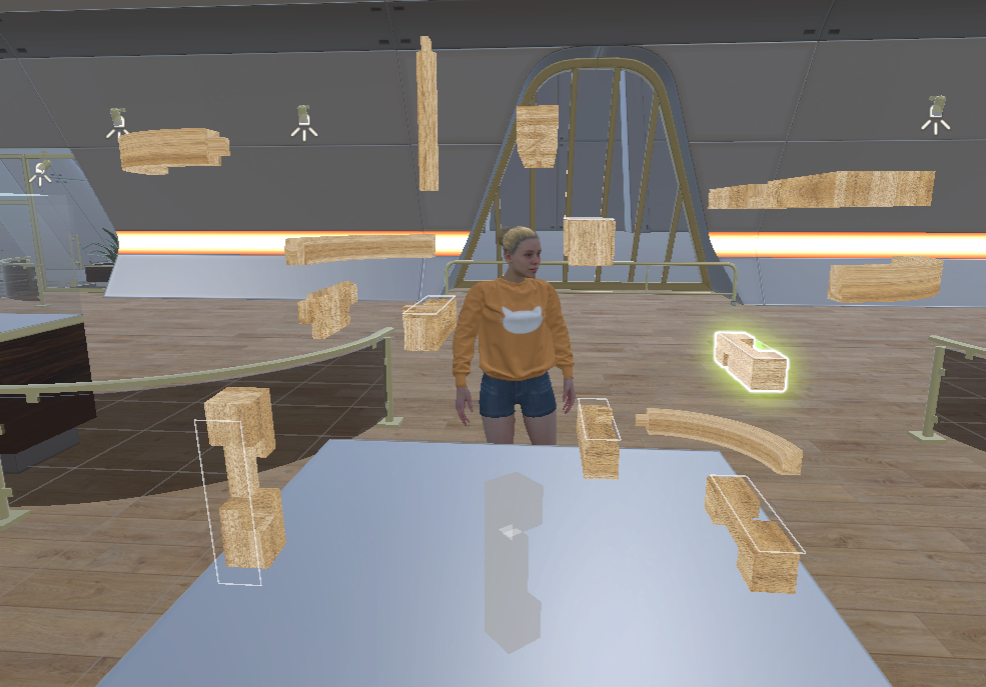
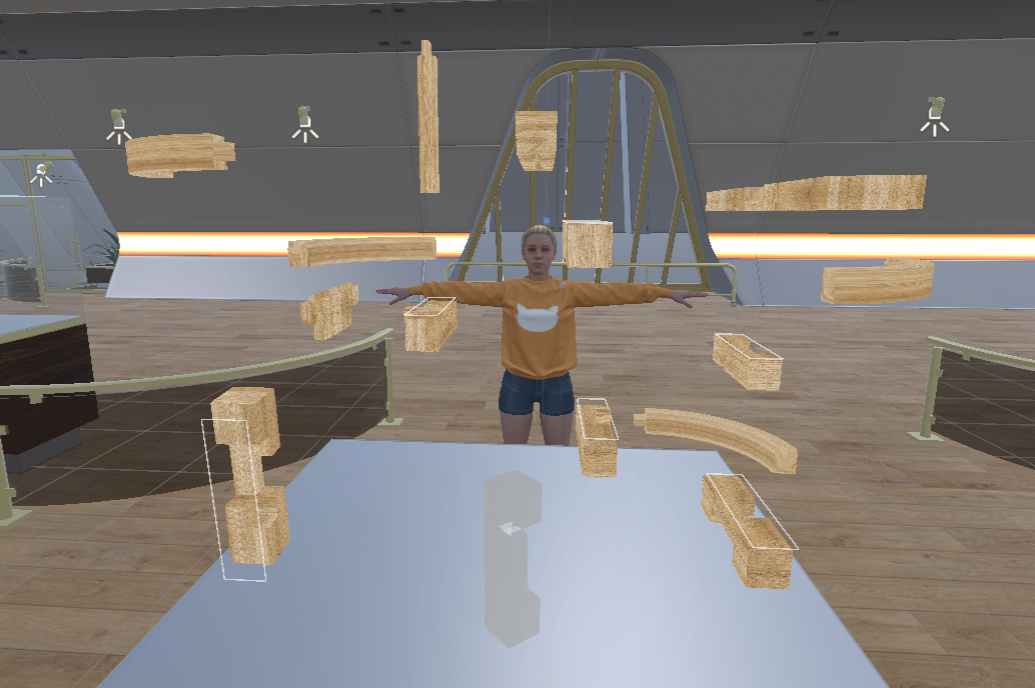
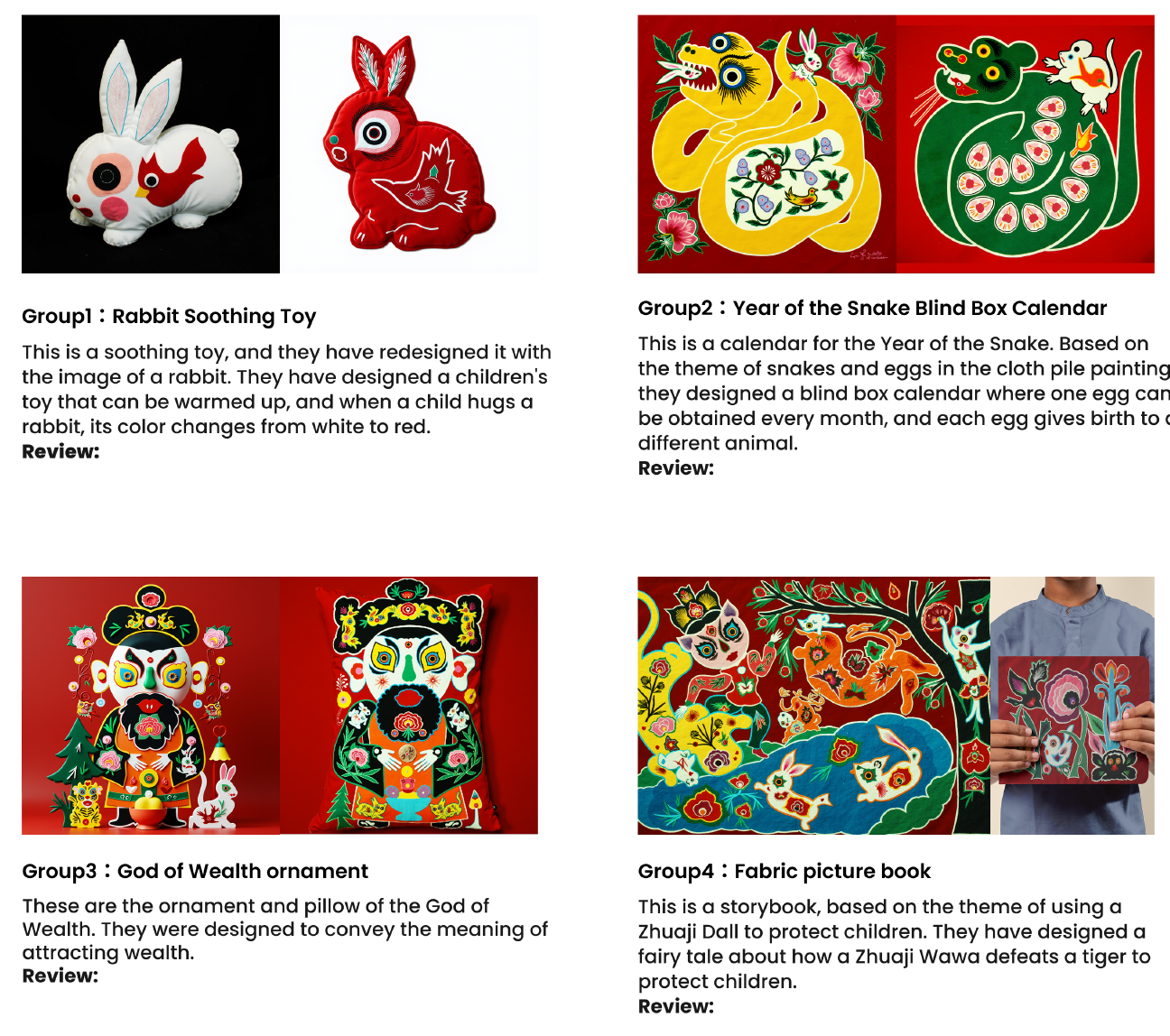
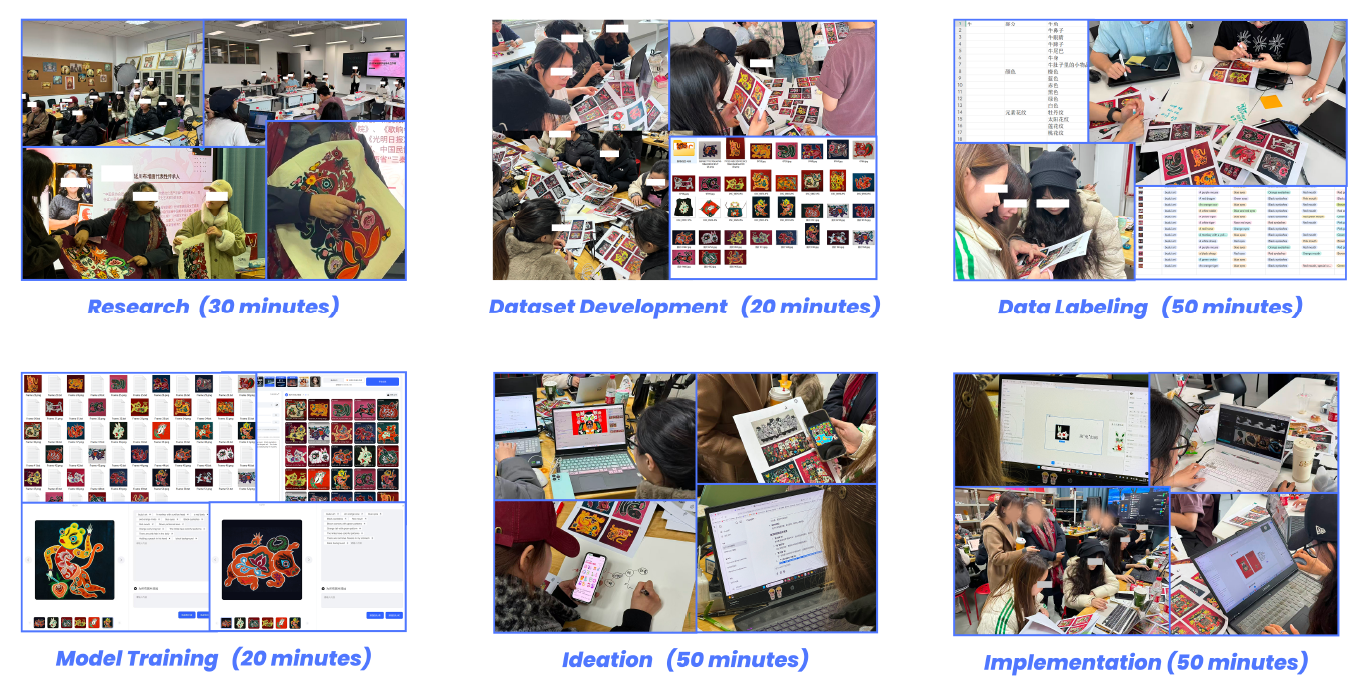
This project focuses on how embodied interaction, affective experience, multisensory feedback, and human-AI collaboration shape emerging forms of interaction and creativity. Our work includes embodied metaphors and multimodal feedback in exergames, cross-modal interactive art, affective robots, VR-based mindfulness tools, AI-assisted cultural heritage workflows, and generative AI for speculative design. We aim to explore how intelligent and immersive technologies can support emotional engagement, creative expression, cultural meaning-making, and human-centered experience design.